

Retail Pop-Up vs Trade Show Exhibit: Key Differences Explained


Key Highlights
A retail pop-up is built for direct selling, local engagement, and stronger brand awareness in high-traffic settings.
Trade shows are designed for lead generation, networking, and professional brand visibility among targeted attendees.
Retail pop-up display solutions usually focus on portability, simple setup, and flexible product displays.
A trade show exhibit often uses modular systems, graphics, and accessories for a polished trade show booth presence.
Your best choice depends on venue, marketing goals, budget, staffing, and the type of customer interaction you want.
Introduction
Choosing between a retail pop-up and a trade show exhibit can shape how people experience your brand identity. Both help you get noticed, but they serve different purposes. One may support direct sales in busy public spaces, while the other may fit trade shows where exhibitors want focused business conversations. If you want the right display for your next campaign, it helps to understand how each format works. Unique Advertising helps brands build both with clarity and purpose.
Defining Retail Pop-Up Displays and Trade Show Exhibits
A retail pop-up display is usually a temporary setup created to sell, promote, or showcase products in places where people already gather. It often uses portable product displays, simple signage, and flexible layouts that work well for special events or short-term retail placements.
Trade show exhibits are built for organized industry events where exhibitors meet potential customers in a structured venue. These trade show exhibits often include larger graphics, branded walls, counters, and accessories that support presentations, conversations, and a more formal business setting. Next, let’s break down each option more clearly.
What Is a Retail Pop-Up Display? Essential Features and Concepts
A retail pop-up display is a temporary branded setup placed in or near a retail store, public shopping area, or event space. Its main goal is usually to attract foot traffic, create quick engagement, and support direct sales or product discovery in a casual environment.
In many cases, a retail pop-up uses lightweight design, portable frames, banners, and compact product displays. These features make it easy to move, store, and reuse. Small businesses often prefer this format because it can be assembled quickly without a large crew or complex logistics.
The biggest difference between a retail pop-up and a trade show exhibit is purpose and setting. A retail pop-up meets customers where they already shop or browse. It is less formal, more sales-driven, and often built for flexibility. Unique Advertising creates retail pop-up display solutions that help brands look polished without making execution difficult.
What Is a Trade Show Exhibit? Essential Features and Setups
A trade show exhibit is a branded environment created for trade show booths at industry events, expos, and other special events. It is designed to help brands stand out in a competitive hall filled with exhibitors and targeted attendees.
These setups often use modular systems, large-format graphics, counters, shelving, monitor mounts, and other accessories. The goal is to create a professional appearance that supports branding, product education, and conversations with decision-makers. Different booth sizes also allow brands to scale their presence based on event needs.
Compared with a retail pop-up, a trade show exhibit is usually more structured and presentation-focused. It is less about walk-in shoppers and more about qualified contacts, scheduled meetings, and lead generation. Unique Advertising develops custom trade show displays that balance portability, visual impact, and function for businesses that want a stronger event marketing presence.
Comparing Locations and Venues for Activations

Location changes everything. A retail pop-up works best where foot traffic already exists and where people can stop, browse, and buy without much planning. The venue often shapes the size, layout, and speed of interaction.
Trade show exhibits, by contrast, operate in organized venues built for different events with a defined audience. That means you are reaching potential customers in a more targeted setting, but within stricter rules. To choose well, you need to know where each format performs best.
Common Venues for Retail Pop-Ups in the United States
Retail pop-ups work best in places where people naturally spend time. A business should choose this format when the goal is to meet customers in a familiar venue, create quick visibility, and encourage on-the-spot action. That makes it a strong fit for small businesses and brands testing new markets.
You will often see a retail pop-up inside a retail store, in shared shopping areas, or tied to special events. These spaces support product sampling, short-term promotions, and face-to-face selling without the formality of a trade event.
Common retail pop-up venues include:
Shopping centers or retail store environments with steady foot traffic
Community or seasonal special events
Temporary branded spaces for product launches
Promotional setups that move between local venues
Popular Venues and Event Types for Trade Show Exhibits
Trade show exhibits belong in professional event venues where exhibitors and attendees gather around shared industry interests. These locations are designed for organized traffic flow, scheduled hours, and branded competition. That setup process is usually more controlled than a retail pop-up because rules, timing, and booth placement matter.
Most trade show displays appear in convention-style halls or exhibition spaces that support larger branding systems. The venue often determines booth dimensions, approved materials, shipping windows, and installation requirements.
Typical trade show exhibit venues and event types include:
Industry trade shows with multiple exhibitors
Business expos focused on products or services
Large special events with segmented booth areas
Exhibition halls built for attendee networking and presentations
Primary Goals: Retail Pop-Up vs Trade Show Exhibit
The clearest difference between these formats is why you use them. A retail pop-up usually supports direct sales, local exposure, and immediate customer interaction. Its versatility makes it useful for short campaigns and fast market testing.
A trade show exhibit is more often tied to lead generation, networking, and long-term business development. Both can support brand awareness, but your marketing goals should guide the decision. Let’s look at how the objectives differ in practice.
Objectives of Retail Pop-Ups: Direct Sales and Brand Awareness
Retail pop-ups are designed to create fast attention and real-time action. If you want people to notice your brand, interact with products, and buy on the spot, this format makes sense. It is especially useful when strong foot traffic can turn into direct sales.
The display itself plays a major role. Clean product displays, bold graphics, and easy navigation help a brand make a lasting impression quickly. This is less about long presentations and more about simple, memorable moments that move people to act.
Typical retail pop-up goals include:
Increase brand awareness in a high-traffic area
Drive direct sales during a short campaign
Introduce new products in an approachable setting
Create a memorable in-person brand moment
Unique Advertising builds pop-up experiences that combine experiential marketing and practical design so brands can turn attention into results.
Objectives of Trade Show Exhibits: Lead Generation & Networking
Trade show booths are usually focused on business relationships rather than immediate purchase. Brands use them to present solutions, start conversations, and build trust with potential customers who are already interested in the category.
This makes trade shows valuable for lead generation and networking. A strong exhibit helps reinforce brand identity through consistent messaging, visual quality, and a professional setting. It also gives teams space to speak with buyers, partners, and decision-makers in a more focused way.
Typical trade show exhibit goals include:
Generate qualified leads from potential customers
Support networking with attendees and industry contacts
Strengthen brand identity in a competitive field
Showcase products or services in an organized format
Setup, Logistics, and On-Site Execution
Execution is where strategy becomes real. Retail pop-ups usually favor simple setup, lighter materials, and faster movement between locations. That can reduce strain on budgets and staff.
Trade show exhibits often involve more logistics, stricter schedules, and detailed configurations. Shipping, storage, booth rules, and graphics planning all become more important. If you are comparing the two, setup demands are one of the most practical factors to review before choosing a format.
Setting Up a Retail Pop-Up: Timing, Staff, and Resources
Retail pop-ups are often easier to install because they use lightweight design and fewer structural elements. In many cases, one or two people can handle the setup. That makes them attractive for small businesses and brands working with limited budgets.
The process is also flexible. Portable banners, compact product displays, and simple counters can be arranged in different layouts based on the location. You can adapt quickly if the space changes or if the activation needs a new flow.
Retail pop-up setup usually involves:
Fast assembly with minimal tools
Smaller teams and fewer outside vendors
Easy movement between different layouts
Lower storage and transport demands
Simple updates to graphics or messaging
Organizing a Trade Show Exhibit: Logistics and Professional Support
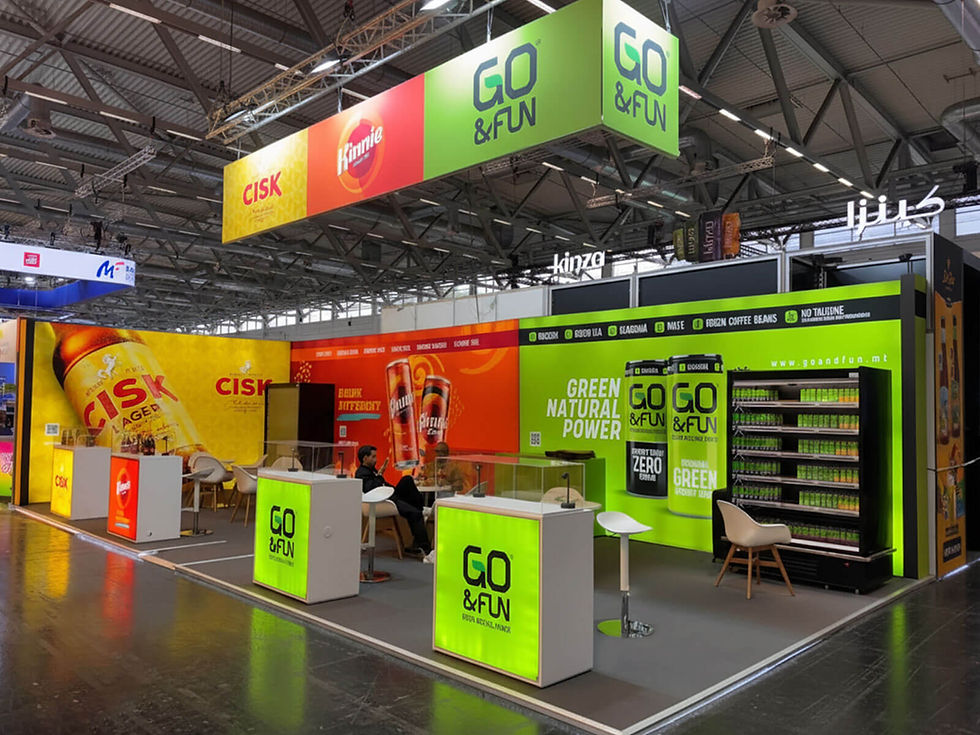
Trade show exhibits usually need more planning. Shipping schedules, booth deadlines, approved materials, and on-site coordination can all affect success. Larger displays also rely on modular systems and accessories that must work together smoothly.
Because the environment is more structured, many brands use professional support to maintain a strong professional appearance. That matters when your booth has multiple graphics, counters, shelving, or monitor mounts.
Setup Factor | Retail Pop-Up | Trade Show Exhibit |
Assembly | Usually quick and simple | Often more detailed and staged |
Shipping | Lighter, easier to move | More planning and coordination |
Structure | Compact displays | Modular systems with accessories |
Staffing | Small team often works | May need broader event support |
Visual build | Basic but effective | Strong professional appearance |
Suitability by Business Type, Product, and Industry
Not every format fits every brand. The right option depends on your products, audience, budget, and the type of event you attend. Functionality matters just as much as appearance.
Small businesses may prefer a retail pop-up when speed and affordability matter most. Brands needing more depth, stronger presentation, or different booth sizes may get more value from exhibits. The sections below make that choice easier by matching use cases to business needs.
When to Choose Retail Pop-Up Display Solutions
Choose a retail pop-up display when your goal is to sell directly, build local attention, or test a concept in a real-world setting. Its versatility makes it useful for brands that want to appear in different ways across multiple short campaigns.
This option is especially practical for limited budgets because the display is easier to transport, install, and update. Location also matters. If your audience is already in shopping or community spaces, a pop-up can meet them there with less complexity.
A retail pop-up is often the better choice when you need:
Direct sales in a customer-facing environment
A simple setup for changing locations
Flexible use across different ways of promoting products
A lower-cost display for limited budgets
When Trade Show Exhibits Deliver the Most Value
A trade show exhibit delivers more value when the audience is industry-focused and the event is designed for business conversations. If you need to meet potential customers, present solutions, and stand apart from other exhibitors, this format is often stronger.
It also works well for brands that attend different events throughout the year and need a reusable system that can adapt. A professional appearance becomes essential when buyers are comparing multiple providers side by side.
Choose a trade show exhibit when you need:
Better networking opportunities with targeted attendees
Stronger credibility in front of potential customers
Reusable systems for different events
A more professional appearance than a simple banner setup
Marketing Strategies and Promotions
Displays work best when promotion supports them. Your messaging, graphics, and signage should match the purpose of the event and the behavior of the audience. That alignment improves response.
Retail pop-ups and trade show exhibits need different campaigns because visitor intent is different. One often relies on impulse and visibility. The other depends on clarity and credibility. Here is how smart promotions can support each format more effectively.
Effective Campaigns for Retail Pop-Ups
Retail pop-up campaigns should focus on visibility and quick action. Since people often discover the activation while moving through a location, the design needs to communicate fast. Strong signage and easy-to-read graphics help turn passing attention into engagement.
These campaigns work best when they support brand awareness and make the most of foot traffic. The display should invite browsing and reduce friction, especially when products are meant to be touched, sampled, or purchased right away.
Effective retail pop-up tactics include:
Bold signage that can be understood at a glance
Product-focused graphics near entry points
Layouts designed for fast browsing in busy locations
Different ways to refresh messaging for short campaigns
Promotional Tactics for Trade Show Exhibits and Events
Trade show promotions should support conversations and product education. People entering the booth are often evaluating options, so the display must explain value clearly. Banners, branded walls, and focused graphics all help guide that process.
Trade show displays can also use monitor mounts, shelving, and structured demo zones to present information more effectively. This approach is useful when potential customers need to compare features, understand services, or speak with staff before taking the next step.
Helpful trade show tactics include:
Clear banners that state the offer fast
Branded graphics that reinforce expertise
Monitor mounts for presentations or product visuals
Display accessories that support demos and materials
Conclusion
In conclusion, understanding the differences between retail pop-ups and trade show exhibits is essential for business owners and marketers aiming to maximize their impact at events. Both strategies offer unique advantages depending on your goals, audience, and industry. While retail pop-ups can enhance direct sales and brand engagement in dynamic environments, trade show exhibits are invaluable for networking and lead generation with a more professional touch. By carefully considering the nuances of each approach, you can make informed decisions that align with your business objectives. If you're ready to elevate your event marketing strategy, contact Unique Advertising to explore our custom display solutions and tailored strategies for successful activations.
Frequently Asked Questions
How do you choose between a retail pop-up and a trade show exhibit for your brand?
Choose based on your venue, audience, and marketing goals. A retail pop-up is better for public visibility, quick engagement, and brand awareness. A trade show exhibit is better for industry events where you need structured conversations, formal presentation, and stronger lead-focused interaction.
Are there specific products or industries best suited for pop-ups or trade show displays?
Yes. Pop-ups suit products that benefit from fast discovery, direct selling, and casual browsing. Trade show displays suit products or services that need explanation, demos, or consultations. The right configurations depend on how much space, education, and interaction your offer requires.
What are some tips for maximizing ROI from retail pop-ups and trade show exhibits?
To improve ROI, match the display to the audience, keep messaging clear, and use the layout to showcase products effectively. Retail pop-ups should capitalize on foot traffic, while trade show exhibits should support meaningful conversations, strong branding, and repeatable use across events.
What types of products or services are best suited for retail pop-ups versus trade shows?
Retail pop-ups are ideal for products that sell well through impulse, hands-on interaction, or quick demos. Trade shows are better for services and more complex products that need discussion. In both cases, layouts should support the customer journey and make interaction feel natural.
How do costs differ between organizing a retail pop-up and participating in a trade show?
A retail pop-up often has lower costs because signage, staffing, and transport are usually simpler. A trade show may cost more due to shipping, booth requirements, accessories, and added logistics. Still, reusable modular systems can deliver strong long-term value when used often.


Comments