

How to Choose the Right Trade Show Exhibit for Your Brand


Key Highlights
Here are the key takeaways for choosing the right trade show exhibit:
Start by defining clear goals for your trade show participation.
Understand your target audience to tailor your booth design effectively.
Evaluate your budget and the available booth space to narrow down options.
Choose between renting and buying based on your company's needs and frequency of participation.
Align your booth design with your brand identity to attract potential customers.
Work with professionals to create a booth that stands out and drives results.
Introduction
Participating in a trade show is a fantastic opportunity to boost brand awareness and connect with your audience. But with so many exhibitors, how do you ensure your brand gets noticed? The answer lies in your trade show exhibit. The right booth design can capture attention, draw in visitors, and effectively communicate your message. This guide will walk you through everything you need to know to select the perfect exhibit that reflects your brand and helps you achieve your marketing goals.
Understanding the Impact of Trade Show Exhibits on Brand Visibility
Your trade show booth is often the first interaction a potential customer has with your brand. In a crowded event hall, your exhibit is a powerful tool for increasing brand visibility. A well-designed booth acts like a magnet, pulling attendees from the aisles and into your space.
First impressions are everything, and your exhibit design sets the tone. It should quickly convey who you are, what you do, and why visitors should care. Aligning your booth style with your company branding is crucial for creating a cohesive and memorable experience that leaves a positive, lasting impression.
Why Trade Shows Matter for Businesses in the USA
Trade shows are bustling hubs of innovation and connection, making them essential for businesses across the USA. These events offer a unique platform to showcase your products and services directly to a highly engaged and relevant target market. Whether you're in Las Vegas, Orlando, or New York, a trade show puts you face-to-face with potential clients, partners, and industry professionals.
Deciding which event is right for your business involves research. Start by identifying trade shows that cater to your specific industry. Look at the attendee demographics provided by trade show organizers to ensure they align with your target audience. Consider the location and scale of the event; a major show in Chicago might attract a different crowd than a regional event in San Diego.
Attending the right trade show allows you to generate leads, build relationships, and gain valuable insights into your industry. It's an investment in your brand's growth and visibility, providing opportunities you simply can't get through digital marketing alone.
How Trade Show Booth Design Shapes First Impressions
In the lively environment of a trade show, your booth design is your opening statement. It's the visual handshake that invites people in or lets them walk by. A compelling design can make you stand out from competitors by capturing the attention of booth visitors from across the exhibition hall, creating powerful first impressions.
To make your booth design memorable, focus on creating an experience that reflects your brand identity. Use your brand's colors, logos, and messaging consistently. Incorporate unique elements like interactive displays, eye-catching graphics, or comfortable seating areas. The goal is to create a space that is not only visually appealing but also functional and inviting.
Think about the flow of traffic and how visitors will interact with your space. A well-thought-out layout can guide visitors through your key messages and product displays, ensuring they leave with a clear understanding of what your brand offers. A strong design makes your booth a destination, not just another spot on the show floor.
Types of Trade Show Booths and Their Advantages
Choosing the right type of trade show booth is a critical decision that impacts your visibility and budget. There are several types of trade shows and corresponding booth setups, each offering distinct advantages. Your choice will depend on factors like your goals, booth size, and the specific event you're attending.
From simple inline booths to elaborate island displays, the options are plentiful. Understanding the characteristics of each type helps you select a booth design that maximizes your presence and provides the best return on your investment. Let's explore the most common options available.
Inline, Island, Peninsula, and Custom Booth Options
The type of booth you select depends heavily on your available booth space and budget. Inline booths are the most common and cost-effective, but they offer limited visibility. Peninsula and island booths provide more exposure and design flexibility, making them great for brands looking to make a bigger impact.
Custom and modular designs offer the ultimate freedom, allowing you to create a unique experience tailored to your brand. While custom booths are built from scratch, modular designs provide flexibility for reuse across different events and booth sizes.
Here’s a quick comparison of the main types of trade show booths:
Booth Type | Description | Best For |
Inline | One side open to the aisle, flanked by neighbors. | Smaller budgets, new exhibitors. |
Peninsula | Open to aisles on three sides. | Brands wanting more visibility than an inline. |
Island | Standalone booth open to aisles on all four sides. | Maximum visibility and foot traffic. |
Custom | A completely unique design built for your brand. | Making a major statement at a key event. |
Renting vs. Buying Your Trade Show Exhibit: What’s Best for Your Brand?
A major part of the planning process is deciding whether to rent or buy your trade show exhibit. This choice affects your upfront trade show investment and long-term costs. Buying is a good option for companies that exhibit frequently, as it allows for full customization and can be more cost-effective over time.
Renting, on the other hand, offers flexibility and lower initial costs. It's an excellent choice for businesses new to trade shows, those trying out different exhibit styles, or companies that only attend a few events per year. Renting also reduces concerns about storage and material handling costs.
To find the right fit for your brand, consider these points:
Frequency: How many shows do you attend annually?
Budget: Can you afford the upfront cost of buying?
Flexibility: Do you need to change your look for different shows?
Logistics: Do you have the resources for storage and maintenance?
Answering these questions will help you determine the best path for your brand.
Essentials to Consider Before Choosing a Trade Show Exhibit
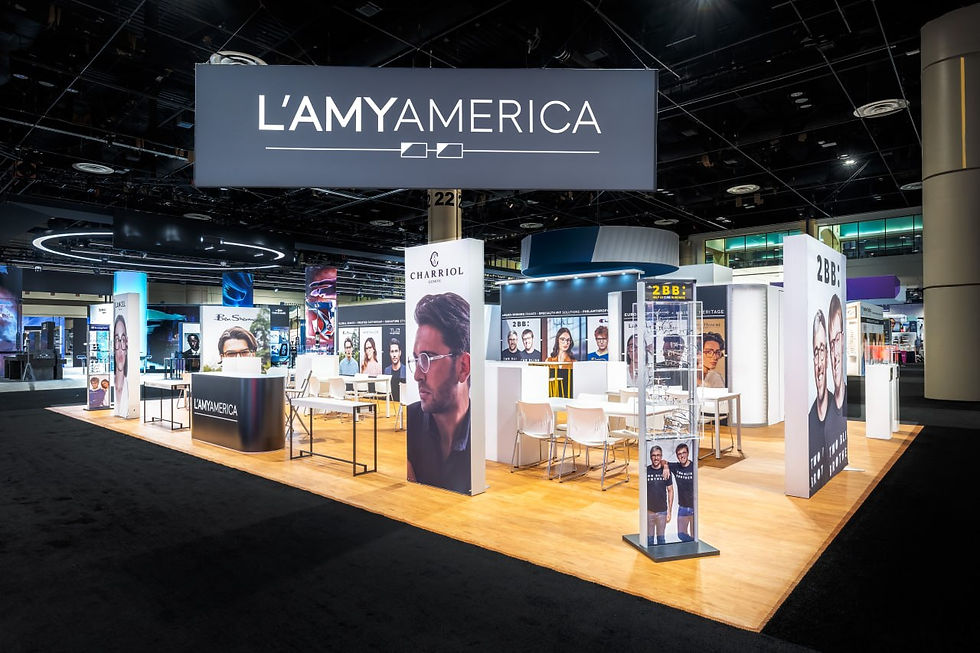
Before you commit to a trade show exhibit, it's crucial to step back and outline your strategy. The planning process is foundational to your success, ensuring every decision aligns with your overall objectives. Think about what you want to achieve and what resources you have available.
Your team is a key part of this. Consider the size of your booth staff and what they'll need to be effective. A well-chosen exhibit should not only attract visitors but also support your team in engaging them. Let's look at the key factors to evaluate.
Setting Clear Brand Goals and Objectives
Before you even think about design, you need to define your trade show goals. What does success look like for your brand at this event? Selecting a display that matches your goals is the first step toward a successful outcome. Your objectives will guide every decision, from the type of exhibit you choose to the messaging you use.
Are you aiming to increase brand awareness, launch a new product, or generate qualified leads? Each goal requires a different approach. For lead generation, you might want a more open, inviting space with stations for demos and conversations. For brand awareness, a bold, visually striking design might be more effective.
Common trade show goals include:
Generating a specific number of qualified leads.
Increasing brand awareness in a new market.
Launching a new product and gathering feedback.
Strengthening relationships with existing customers. By setting clear objectives, you can create a focused strategy and measure your success after the event.
Evaluating Your Budget, Space, and Target Locations (Las Vegas, Orlando, Chicago, San Diego, New York)
Your budget, available booth space, and target locations are practical constraints that will shape your exhibit choice. Be realistic about what you can afford, as costs can add up quickly. Your budget should cover not just the exhibit itself but also shipping, installation, and other show-related expenses. The booth size you can secure is also a primary factor.
The location of the trade show can influence your design. A major event in Las Vegas or Chicago might demand a more impressive display to compete with larger brands. In contrast, a regional show in San Diego or Orlando could allow for a more modest but still effective setup. Booth location on the show floor is also critical; a prime spot might justify a larger investment in your exhibit.
When planning, consider the following:
Total Budget: Account for all potential costs.
Booth Space: How much floor space have you secured?
Target Location: Will the show be in a major hub like New York or a smaller market?
Logistics: Factor in shipping and labor costs, which vary by city.
Beginner’s Guide: How to Choose the Right Trade Show Exhibit Step-by-Step
Feeling overwhelmed? Don't worry. Choosing the right trade show exhibit is a manageable process when you break it down into simple steps. This guide is designed for beginners to help you make informed decisions that will attract booth visitors and showcase your brand effectively.
Whether you're launching a new product or entering a new market, following a clear plan will ensure you select the best trade show exhibit for your needs. Let’s walk through the process step by step, from initial research to final design selection.
What You Need to Get Started (Equipment, Resources, Brand Assets)
To begin, you need to gather your resources. This includes tangible assets as well as strategic information. Having everything organized will make the selection process smoother and more effective. Start by compiling all your brand assets, such as logos, color palettes, and key marketing messages.
Next, think about the practical equipment you'll need. This could range from monitors for video presentations to furniture for meeting areas. Also, consider your human resources—your booth staff. Their ability to engage with potential customers is just as important as the physical exhibit.
Here’s a checklist to get you started:
Brand Assets: High-resolution logos, brand guidelines, and marketing collateral.
Product Information: Details and demos for any products you'll be showcasing.
Equipment List: A list of all technology and furniture needed.
Team Resources: A plan for staffing and training your booth team.
Step 1: Research Relevant Trade Shows and Audience Demographics
The first step in your journey is to find the right event. Not all trade shows are created equal, so it's essential to research different events to find the ones that best align with your business goals. Contact trade show organizers to get detailed information about their events, including past attendance numbers and exhibitor lists.
Pay close attention to audience demographics. You want to ensure that the attendees are your target audience—the potential buyers you want to reach. A show filled with industry decision-makers is far more valuable than one attended by the general public if you're a B2B company.
When researching shows, look for:
Industry focus and relevance.
Attendee job titles and purchasing power.
Geographic reach of the event.
Opportunities for networking and speaking.
Past exhibitor testimonials and success stories.
Step 2: Select an Exhibit Style and Design for Maximum Engagement with Unique Advertising and Display
Once you've chosen your event, it's time to focus on your exhibit booth design. Your goal is to create a space that not only attracts foot traffic but also encourages meaningful engagement. This is where partnering with a professional like Unique Advertising and Display can make a significant difference. We help you design a booth that tells your brand story effectively.
To stand out, your design should be both creative and strategic. Think about how you can spark conversations. Interactive elements, live demonstrations, and comfortable lounge areas can all help draw people in and keep them there longer. The aim is to create an experience that leaves a lasting impression.
Here's how to create an engaging design:
Incorporate interactive technology: Touchscreens, VR experiences, or gamification can captivate attendees.
Use bold, clear graphics: Your messaging should be visible from a distance.
Create an open, welcoming layout: Avoid clutter and make your space easy to navigate.
Offer something of value: Whether it's a comfortable place to sit, a phone charging station, or unique swag.
Conclusion
Choosing the right trade show exhibit is crucial for enhancing your brand's visibility and achieving your marketing goals. By understanding the various types of booths and evaluating factors such as budget, space, and target locations like Las Vegas, Orlando, Chicago, San Diego, and New York, you can make informed decisions that resonate with your audience. A well-designed booth not only attracts attention but also communicates your brand message effectively, leaving a lasting impression on potential customers. Remember, the success of your exhibit is measured not just by the leads generated but also by how well it represents your brand's unique identity. With the right strategy and support from experts at Unique Advertising and Display, you can ensure your trade show experience is both effective and memorable. For additional guidance, consider reaching out to us for a consultation.
Frequently Asked Questions
How can I determine the appropriate size and layout for my trade show exhibit?
Determine the right booth size and layout by considering your goals, budget, and the amount of booth space you've secured. If your goal is lead generation, you'll need space for meetings. Following best practices for your trade show exhibit means balancing visual appeal with functionality to ensure a smooth flow of traffic.
What are some common mistakes to avoid when choosing a trade show exhibit?
Common mistakes at a trade show include a poor planning process, choosing a booth design that doesn't match your brand, and ignoring your target audience. Also, avoid overly cluttered designs that overwhelm visitors and obscure your message. Always ensure your exhibit is practical for your team to use effectively.
How can I measure the success of my trade show exhibit after the event?
Measure trade show success by tracking key metrics against your trade show goals. This includes the number of leads generated, the conversion rate of those leads into new customers, and the total sales attributed to the event. Analyzing these numbers will tell you if you've met your objectives for qualified leads.
What types of materials are best for creating an effective trade show exhibit?
The best materials for your trade show booth balance durability, weight, and visual appeal. Lightweight fabrics and modular aluminum frames offer design flexibility and reduce shipping costs. For a new product launch, high-quality finishes and lighting can create a premium feel, leaving a lasting impression on visitors.
How can I incorporate technology into my trade show exhibit to engage attendees?
Incorporate technology to make your booth design more interactive for booth visitors. Use tablets to schedule meetings, large screens for product launches, and virtual reality to create immersive experiences. Interactive elements not only attract attention but also help you effectively communicate complex information and capture valuable data.


Comments